
How to Create a Relaxing Home Workspace for Better Focus
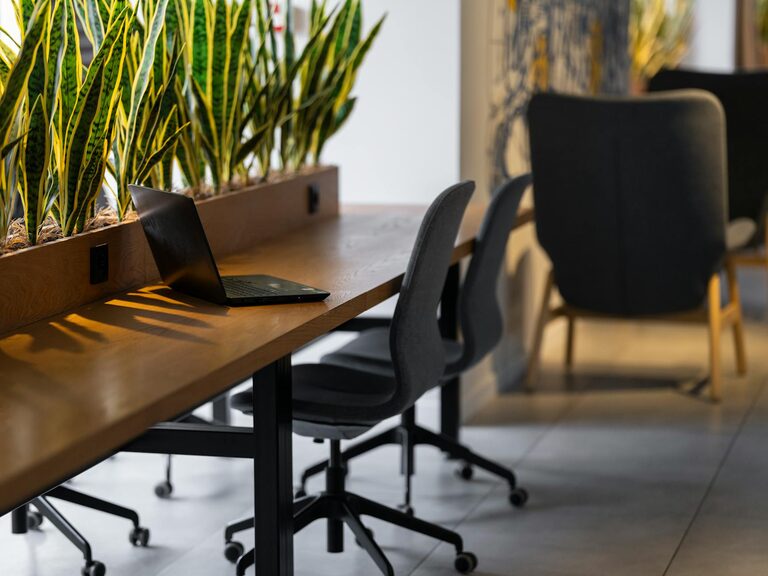
Creating a relaxing home workspace is essential for maintaining focus, reducing stress, and enjoying your work-from-home routine. Whether you’re a freelancer, remote employee, or simply need a quiet corner for projects, designing a calm and inviting workspace can make a big difference in your daily productivity.
In this guide, we’ll explore practical steps to help you create a comfortable and inspiring home office that nurtures relaxation and motivation.
Why a Relaxing Workspace Matters
A workspace influences your mood and efficiency. A cluttered, noisy, or uncomfortable environment often leads to distraction and burnout, while a well-designed space can contribute to better concentration and a positive mindset.
By intentionally setting up your home office to be calming and organized, you give yourself the best chance to focus and enjoy your work.
Choosing the Right Location for Your Workspace
Consider Natural Light
Placing your desk near a window offers several benefits. Natural light helps reduce eye strain, improves mood, and signals your body to stay alert during work hours. If direct sunlight causes glare, use curtains or blinds to soften the light.
Find a Quiet Corner
Look for a space in your home that’s away from high-traffic areas. A quiet spot minimizes interruptions and creates a dedicated zone for work.
Ensure Good Ventilation
Fresh air keeps you feeling refreshed and reduces fatigue. Choose a spot where you can open a window occasionally or consider adding a small fan or air purifier.
Declutter and Organize Your Workspace
A tidy environment supports a tidy mind. Here are several ways to keep your space organized:
– Use Storage Solutions: Shelves, drawers, and organizers help keep supplies neat and accessible.
– Limit Desk Items: Keep only essentials on your desk to minimize distractions.
– Regularly Clean: Set aside time weekly to tidy up and remove unnecessary items.
Incorporate Cable Management
Messy cables can be visually distracting. Use cable clips, sleeves, or under-desk trays to keep wires concealed and organized.
Choose Comfortable and Functional Furniture
Ergonomics matters for comfort and health during long work sessions.
– Invest in an Adjustable Chair: A chair that supports good posture reduces back and neck strain.
– Pick a Suitable Desk: Ensure your desk height allows your forearms to rest parallel to the floor. If space is limited, look for compact or foldable desks.
– Consider a Footrest: It can improve circulation and posture.
Personalize with Calming Elements
Adding personal touches can make your workspace more inviting and reduce stress.
– Plants: Indoor plants bring nature indoors and can improve air quality and well-being.
– Soft Textiles: Cushions or a cozy throw can create comfort.
– Art and Photos: Choose images that inspire and calm you.
– Scent: Use essential oil diffusers or candles with relaxing scents like lavender or eucalyptus (ensure safe use).
Optimize Lighting for Comfort
In addition to natural light, good artificial lighting is key.
– Use Adjustable Desk Lamps: Task lighting reduces eye strain during detailed work.
– Choose Warm Light Bulbs: Warm white lighting is easier on the eyes and creates a soothing atmosphere.
– Avoid Harsh Overhead Lights: If your main lighting feels too bright or cold, consider adding floor lamps or indirect lighting.
Manage Noise Levels
Sound affects concentration and stress levels.
– Noise-Canceling Headphones: Helpful if background noise is unavoidable.
– White Noise Machines or Apps: These can mask distractions with gentle sounds.
– Soft Furnishings: Rugs, curtains, and cushions absorb sound and reduce echo.
Establish Boundaries and Routine
Creating a relaxing workspace is as much about mindset as physical setup.
– Set Clear Work Hours: Stick to a schedule to separate work and personal time.
– Communicate Boundaries: Let family or housemates know your work times.
– Take Regular Breaks: Short pauses help maintain energy and reduce stress.
Keep Technology Minimal and Efficient
Avoid digital clutter and distractions by:
– Using a Single Monitor or Laptop Setup: To keep your desk clear.
– Organizing Digital Files: Keep your desktop and folders tidy.
– Limiting Social Media During Work: Use apps or browser extensions to block distractions.
Final Thoughts
Designing a relaxing home workspace doesn’t have to be complicated or expensive. By focusing on comfort, organization, and personalization, you can create a space that supports your productivity and well-being. Remember, small changes can lead to big improvements in how you feel and work at home.
Take the time to tailor your workspace to your needs, and you’ll likely see positive effects in your focus and motivation. Happy decorating!