
How to Choose a Notebook You’ll Actually Use Every Day
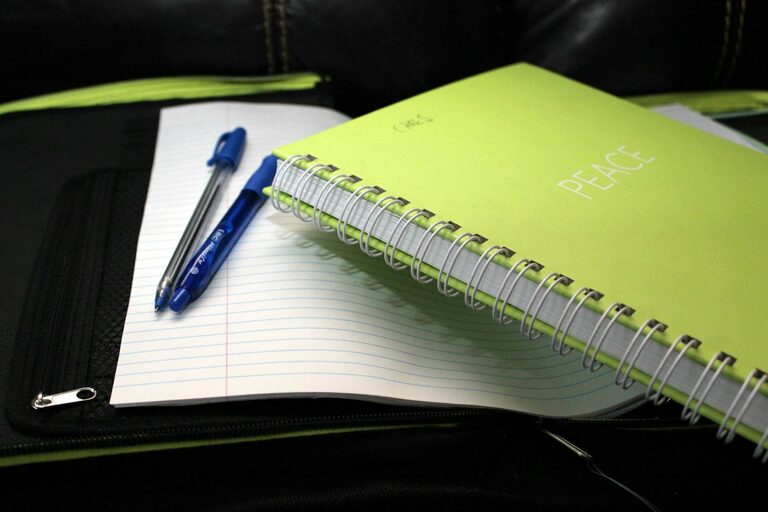
Choosing the right notebook can make a big difference in how often you use it and how much you enjoy jotting down your thoughts, plans, or ideas. But with so many options available, finding a notebook that truly fits your lifestyle and preferences may seem overwhelming. This guide will help you understand what to look for to select a notebook you’ll actually use.
Why Choosing the Right Notebook Matters
A notebook is more than just paper bound together—it can be a tool for productivity, creativity, and personal growth. Using a notebook that suits your needs and preferences can motivate you to write more regularly, stay organized, and keep track of important information. On the other hand, if a notebook feels inconvenient or uninspiring, it often ends up abandoned.
Consider Your Purpose
The first step in selecting the right notebook is deciding how you intend to use it. Here are some common uses to consider:
– Note-taking for work or school: You might need plenty of space for detailed notes, diagrams, or lists.
– Journaling or creative writing: You may prefer a notebook with high-quality paper that handles different inks well.
– Planning and organization: A notebook designed with calendars, to-do lists, or bullet journaling layouts could be ideal.
– Sketching or drawing: Thicker, smooth paper that drains less ink is better for art.
– Idea capture: A compact, portable notebook is handy for quick notes on the go.
Knowing your main use will guide your decisions around size, format, and paper type.
Decide on the Right Size
Notebook sizes vary greatly, from pocket-sized to large journals. Consider these common options:
– Pocket-sized (A6 or smaller): Easy to carry but limited writing space.
– Medium (A5 or similar): A popular size offering a good balance between portability and ample writing area.
– Large (A4 or larger): Great for extensive notes or sketches but less portable.
Ask yourself where you’ll be using your notebook. If you want something to carry everywhere, a smaller size may be best. If the notebook will stay at your desk, larger sizes offer more freedom.
Choose the Right Binding
Notebook binding affects how your notebook opens and how durable it is.
– Spiral binding: Lays flat easily and can fold back on itself, making it comfortable to write on any surface.
– Perfect binding (glued spine): Looks neat and professional but doesn’t lay flat as easily.
– Sewn binding: Durable and can open flat, great for heavy use.
– Disc-bound: Offers flexibility to add or remove pages.
Think about how you like to use your notebook—if you prefer to have it flat or fold it back, spiral or disc bindings might be better.
Select the Paper Type and Quality
Paper quality influences writing experience and usability.
– Paper weight: Measured in GSM (grams per square meter). Heavier paper (around 90 GSM or more) prevents ink bleed-through.
– Paper texture: Smooth paper is ideal for pen and marker use; textured (toothy) paper suits pencil and charcoal.
– Color: White paper is standard, but cream or ivory can reduce glare and be easier on the eyes.
If you use fountain pens or markers, consider notebooks designed for those inks to avoid feathering or bleeding.
Decide on Page Layout
The way pages are formatted affects how you organize notes.
– Blank pages: Best for sketching or freeform writing.
– Ruled/lined pages: Ideal for orderly note-taking or journaling.
– Grid or dot grid pages: Popular for bullet journaling, diagrams, or mixed writing and drawing.
– Pre-printed planners or calendars: For those who want built-in organization tools.
Choose the layout that matches your preferred style of note-taking or creativity.
Think About Cover Durability and Style
The cover protects your pages and can reflect your personality.
– Softcover notebooks: Lightweight and flexible but may wear out faster.
– Hardcover notebooks: More durable and provide a stable writing surface.
– Materials: Options include leather, faux leather, fabric, or cardboard.
– Style and color: Pick a design that inspires you or fits your environment.
If you carry your notebook daily, a sturdy cover is helpful.
Extra Features to Consider
Some notebooks come with handy extras:
– Bookmarks or elastic bands: Help keep your place or secure the notebook closed.
– Pen loops: Keep your writing tool attached.
– Numbered pages or index: Useful for organizing notes.
– Pocket folder: A place to store receipts, stickers, or notes.
– Perforated pages: Easy to tear out sheets if needed.
Decide which features would make your experience more enjoyable and organized.
Test Before You Commit
If possible, visit a stationery store to feel and try out different notebooks before buying. Writing a few lines can help you determine if the paper quality, size, and binding feel right. Many online sellers provide detailed descriptions and pictures, but nothing replaces the actual feel.
Tips For Making Your Notebook a Habit
Once you’ve chosen your notebook, here’s how to make sure you actually use it:
– Keep it accessible—carry it with you or keep it in a consistent spot.
– Set aside time daily or weekly for writing or planning.
– Personalize it with stickers, doodles, or notes.
– Use it for specific tasks to build routine and purpose.
Final Thoughts
Choosing a notebook you’ll actually use comes down to matching it to your needs, preferences, and lifestyle. By focusing on purpose, size, binding, paper quality, and features, you’ll find a notebook that becomes your trusted companion for work, creativity, or organization. Remember, the best notebook is one that inspires you to write and helps you stay engaged with your goals.
Happy notebook hunting and happy writing!