
Simple Ways to Reduce Noise at Home for a Calmer Space
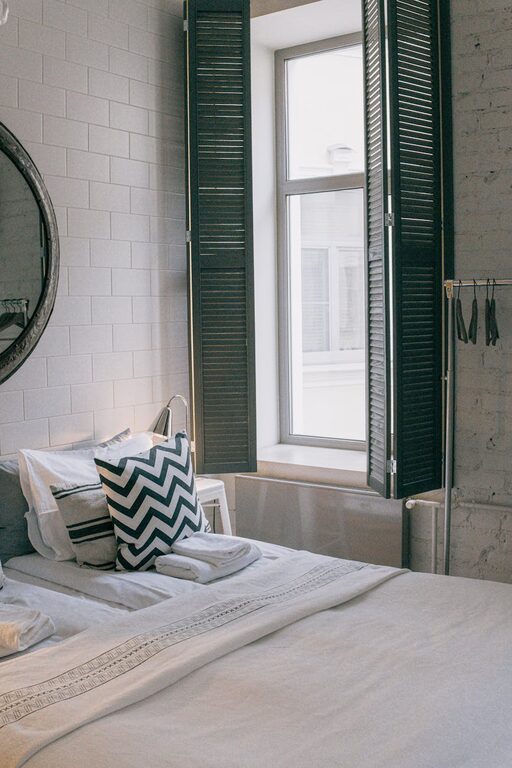
Creating a calm and quiet home environment is essential for relaxation, focus, and overall well-being. Whether you live in a busy neighborhood, near traffic, or have noisy roommates or family members, there are several simple ways to reduce noise at home. In this post, we will explore practical tips and strategies that require minimal effort and cost, helping you enjoy a more peaceful space.
Understanding Noise Sources in Your Home
Before diving into solutions, it’s useful to recognize common sources of noise inside and outside your home:
– Traffic sounds and street noise
– Noisy neighbors or pets
– Appliances like washing machines, vacuum cleaners, or air conditioners
– Footsteps and voices from adjacent rooms or floors
– Electronic devices such as televisions and computers
Identifying the main contributors will help you choose the most effective noise reduction methods.
Easy Ways to Reduce Noise Inside Your Home
1. Use Soft Furnishings to Absorb Sound
Hard surfaces like wood floors, bare walls, and tiled floors tend to reflect sound, making rooms noisier. Adding soft textiles can help dampen noise:
– Rugs and carpets: Place thick rugs in living rooms and bedrooms to absorb footsteps and echoes.
– Curtains: Heavy curtains or blackout drapes help reduce noise from windows and outside.
– Cushions and upholstery: Sofas and armchairs soften sounds, especially in social spaces.
2. Seal Gaps and Cracks
Noise often seeps through small gaps around doors and windows.
– Weatherstripping: Apply weatherstripping tape or rubber seals around window frames and door edges.
– Door sweeps: Attach door sweeps to the bottom of doors to block sound from hallways or outside.
– Caulking: Seal cracks in walls, baseboards, or window frames with acoustical caulk.
3. Rearrange Furniture Strategically
Furniture placement can help create sound barriers.
– Place bookshelves or wardrobes against walls that face noisy streets or neighbors.
– Fill empty corners with large pieces of furniture to reduce echo.
– Position your bed or desk away from shared walls to minimize noise impact.
Reducing External Noise Effectively
4. Upgrade Windows and Doors
Windows and doors are the main entry points for outside noise.
– Double-glazed windows: Installing double or triple-pane windows dramatically reduces noise from traffic and neighbors.
– Storm windows: Adding storm windows provides an additional layer of sound insulation.
– Solid-core doors: Swap hollow doors for solid-core versions that block sound better.
5. Incorporate Plants and Outdoor Barriers
The exterior surroundings affect noise levels inside your home.
– Plant shrubs or trees: Thick greenery near windows and fences can act as a natural sound buffer.
– Install fences or sound barriers: Solid fences or noise reduction panels around your yard can reduce environmental noise.
Creating a Soothing Sound Atmosphere
6. Use White Noise or Sound Machines
Sometimes, masking unwanted sounds with pleasant background noise creates a calmer vibe.
– White noise machines: These devices play consistent, soothing sounds (like rain or static) to reduce disruptions.
– Fans or air purifiers: These appliances produce steady noise that can mask sudden sounds.
– Nature sounds apps: Use apps with forest or ocean sounds to promote relaxation.
7. Consider Acoustic Panels or Soundproofing Inserts
For a more advanced approach, especially in home offices or studios:
– Acoustic panels: Install fabric-covered panels on walls to absorb sound waves.
– Door seals and window inserts: Specialized products designed to enhance sound isolation can be added without full renovations.
Maintain a Quiet Home
8. Set Noise Guidelines with Household Members
Open communication helps reduce noise from roommates or family members.
– Establish quiet hours during early mornings or late evenings.
– Agree on volume limits for televisions, music players, and conversations.
– Encourage considerate use of shared appliances.
9. Perform Regular Maintenance on Appliances
Noisy or vibrating appliances can generate unwanted sounds.
– Check washing machines, dryers, and refrigerators for loose parts.
– Clean fans and air conditioners to avoid extra noise.
– Place appliances on vibration-absorbing mats if necessary.
Final Thoughts
Reducing noise at home doesn’t have to be complicated or expensive. By combining soft furnishings, sealing gaps, upgrading key elements like windows and doors, and managing household noise routines, you can enjoy a more peaceful and restful living space. Start with small changes and see what makes the biggest difference for your specific home environment.
Remember, creating a calm space promotes better sleep, concentration, and overall happiness — making these efforts well worth your time!